Stargazing in Atacama: Learning to Read Cosmic Distance
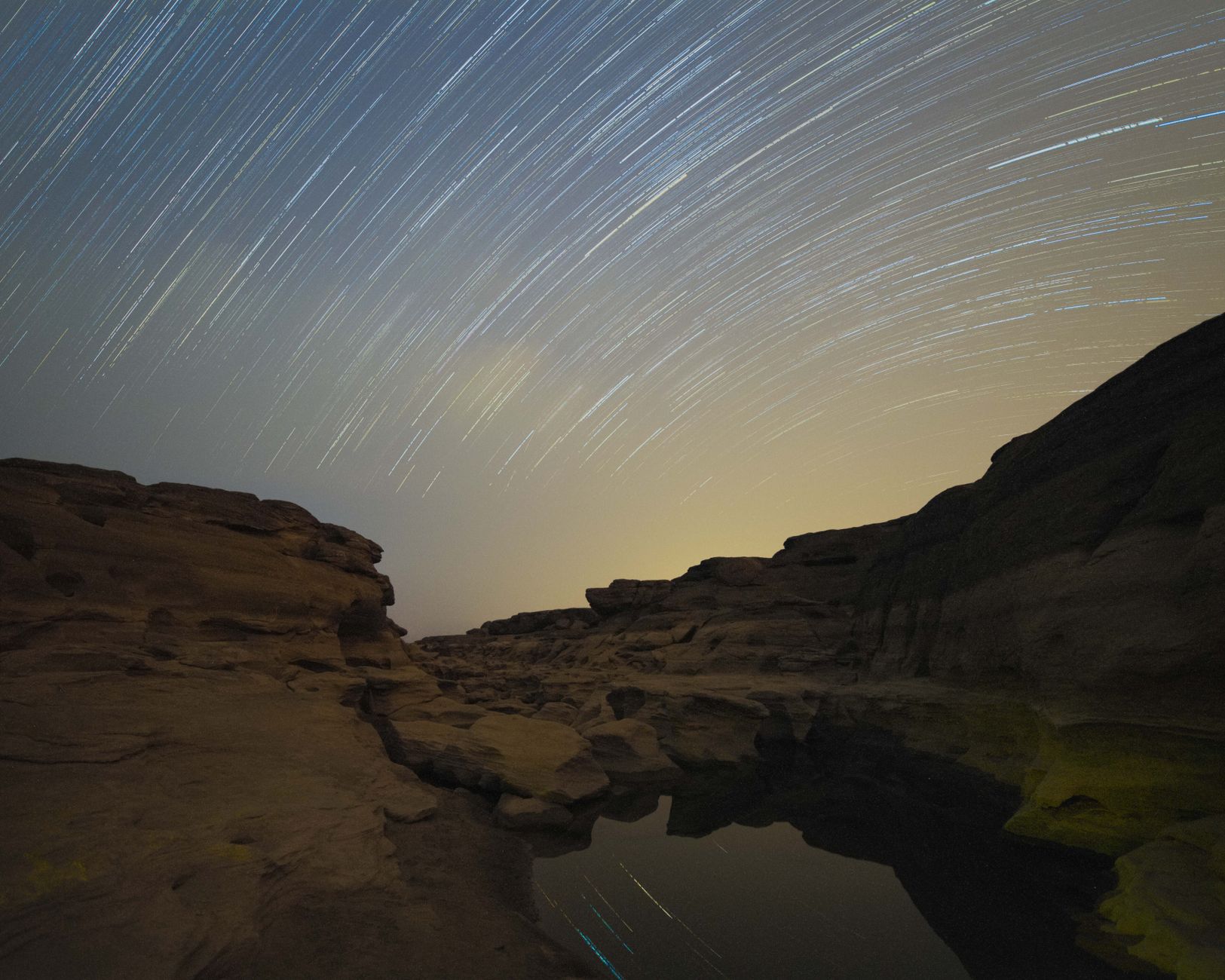
At 2,400 meters above sea level, the air lacks sufficient moisture to soften sound. Footsteps upon ancient salt crust crack like fractured porcelain. The silence here is physical.
The Atacama Desert is not simply barren; it is an geological museum spanning tens of millions of years of undisturbed aridity. Some weather stations here have recorded zero rainfall for over four decades. Because atmospheric moisture is virtually nonexistent and artificial light is strictly regulated around international observatories, the night sky transforms from a distant ceiling into an intimate, three-dimensional abyss.
The Magellanic Clouds and Cosmic Grounding
When you look up in the Southern Hemisphere, the Large and Small Magellanic Clouds hang like luminous silk scarves beside the dense spine of the Milky Way. Standing on the Chajnantor plateau, human scale dissolves. The worries that govern metropolitan life feel astonishingly fragile against stellar objects located two hundred thousand light-years away.
"Vast desert space does not isolate man from reality; it strips away trivialities until only the fundamental conditions of existence remain."
We spent several days in San Pedro de Atacama learning from indigenous Lickanantay elders, whose ancestors mapped the constellations not by the stars themselves, but by the dark nebulae — the silhouettes of dust clouds outlining celestial llamas and serpents.
Travel Considerations
Acclimatization is essential. Spend at least forty-eight hours in San Pedro before venturing toward geysers or high lagoons. Drink ample water, respect fragile salt formations by remaining strictly upon marked trails, and carry wool layers to withstand rapid temperature drops after twilight.
Plan Your Journey to the High Plateau
Inquire about private astronomical itineraries, high-altitude acclimatization schedules, and adobe architectural retreats.
Request Chilean Expedition Blueprint